
Custom Signage Solutions for Your Business Needs
In today's competitive landscape, effective communication is essential for any business. Custom signage plays a pivotal role in conveying your brand message, attracting customers, and enhancing the overall customer experience. Whether you are a small local shop or a large corporation, the right signage can make a significant difference in how your business is perceived. This blog post will explore various custom signage solutions tailored to meet your unique business needs.

Understanding the Importance of Custom Signage
Custom signage is more than just a way to display your business name. It serves multiple purposes, including:
Brand Recognition: Custom signs help establish your brand identity. A well-designed sign can make your business memorable and recognizable.
Customer Attraction: Eye-catching signage can draw in potential customers, increasing foot traffic and sales.
Information Delivery: Signs provide essential information about your products, services, and promotions, helping customers make informed decisions.
Professionalism: High-quality signage reflects the professionalism of your business, instilling trust and confidence in your customers.
Types of Custom Signage Solutions
There are various types of custom signage solutions available, each serving different purposes. Here are some popular options:
1. Outdoor Signage
Outdoor signage is crucial for attracting customers from a distance. It includes:
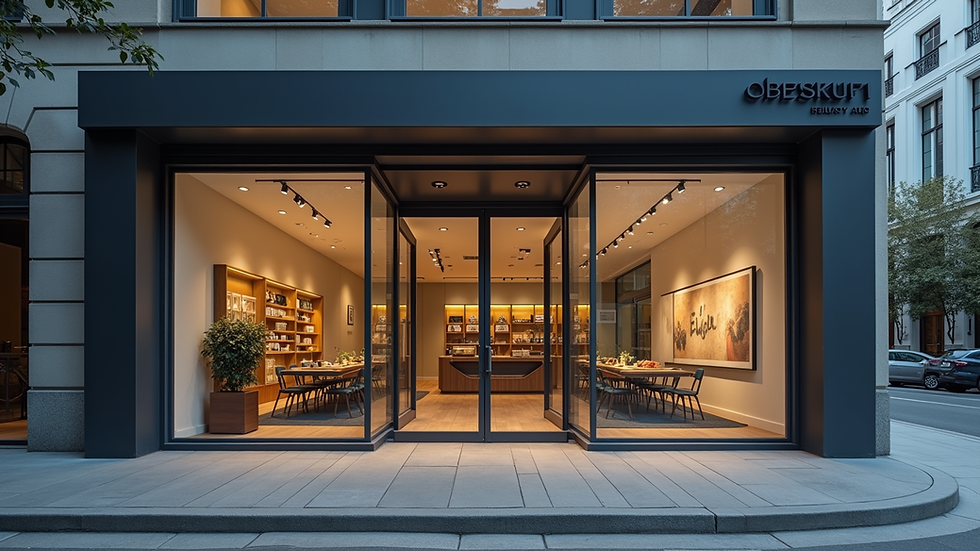
Channel Letters: These are three-dimensional letters that can be illuminated or non-illuminated. They are often used for storefronts and can be customized in various fonts and colors.
Banners: Banners are versatile and can be used for promotions, events, or temporary signage. They are lightweight and easy to install.
A-Frame Signs: These portable signs are perfect for directing foot traffic and can be placed outside your business to promote special offers.
2. Indoor Signage
Indoor signage enhances the customer experience within your establishment. Options include:
Wall Graphics: These can transform plain walls into engaging visual displays. They can showcase your brand story, values, or product offerings.
Wayfinding Signs: These signs help customers navigate your space, making it easier for them to find what they need.
Point-of-Purchase Displays: These displays are strategically placed near the checkout area to encourage impulse buying.
3. Vehicle Wraps
Vehicle wraps are an excellent way to turn your company vehicles into mobile advertisements. They can reach a broader audience as your vehicles travel around town. Custom vehicle wraps can include your logo, contact information, and promotional messages.
Choosing the Right Custom Signage
When selecting custom signage for your business, consider the following factors:
Target Audience: Understand who your customers are and what appeals to them. Tailor your signage to resonate with their preferences.
Location: The placement of your signage is crucial. Ensure it is visible and accessible to your target audience.
Design: Invest in professional design services to create visually appealing signage that aligns with your brand identity.
Materials: Choose durable materials that can withstand the elements, especially for outdoor signage.
The Design Process
Creating effective custom signage involves a well-thought-out design process. Here are the key steps:
Define Your Goals: Determine what you want your signage to achieve. Is it to attract new customers, promote a sale, or enhance brand visibility?
Research: Look at competitors and industry trends to gather inspiration and understand what works.
Sketch Ideas: Start with rough sketches to visualize your concepts. This can help you refine your ideas before moving to digital design.
Select Colors and Fonts: Choose colors and fonts that reflect your brand personality. Ensure they are legible and visually appealing.
Review and Revise: Get feedback from stakeholders and make necessary revisions to ensure the final design meets your objectives.
Case Studies: Successful Custom Signage Implementation
To illustrate the impact of custom signage, let's look at a couple of case studies:
Case Study 1: Local Coffee Shop
A local coffee shop struggled to attract customers during the morning rush. They decided to invest in a large, illuminated channel letter sign that displayed their name and logo. Additionally, they placed an A-frame sign outside with daily specials. As a result, foot traffic increased by 30% within the first month, leading to a significant boost in sales.
Case Study 2: Retail Store
A retail store wanted to create a more inviting atmosphere. They opted for vibrant wall graphics that showcased their products and brand story. The graphics not only enhanced the store's aesthetics but also improved customer engagement. Shoppers spent more time in the store, leading to a 25% increase in average transaction value.
Maintenance and Upkeep of Custom Signage
To ensure your custom signage remains effective, regular maintenance is essential. Here are some tips:
Clean Regularly: Dust and dirt can accumulate on signs, making them less visible. Regular cleaning keeps them looking fresh.
Inspect for Damage: Periodically check for any signs of wear and tear. Address any issues promptly to avoid further damage.
Update as Needed: If your branding changes or you have new promotions, update your signage accordingly to keep it relevant.
The Future of Custom Signage
As technology advances, the future of custom signage is evolving. Here are some trends to watch:
Digital Signage: Digital displays allow for dynamic content that can be updated in real-time. This flexibility can enhance customer engagement and promote timely offers.
Sustainable Materials: More businesses are opting for eco-friendly materials in their signage to reduce their environmental impact.
Augmented Reality: Some companies are experimenting with augmented reality to create interactive signage experiences that engage customers in new ways.
Conclusion
Custom signage is a powerful tool for any business looking to enhance its visibility and connect with customers. By understanding the various types of signage available and the importance of effective design, you can create solutions that meet your unique business needs. Remember to maintain your signage and stay updated on industry trends to ensure your business remains competitive.
Take the first step today by evaluating your current signage and considering how custom solutions can elevate your brand presence.

Comments